Revolved Side Angle Pose (Parivrtta Parsvakonasana)
Category: Standing / Twist
Difficulty: Intermediate
Sanskrit/Pronunciation: Parivrtta Parsvakonasana (par-ee-VRIT-tah parsh-vah-kon-AHS-uh-nuh)
Main Focus: Spine, Hips, Legs, Shoulders, Core
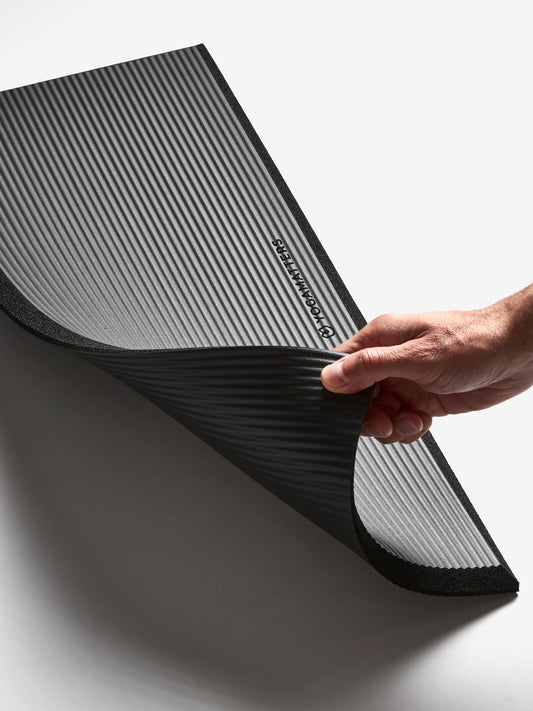
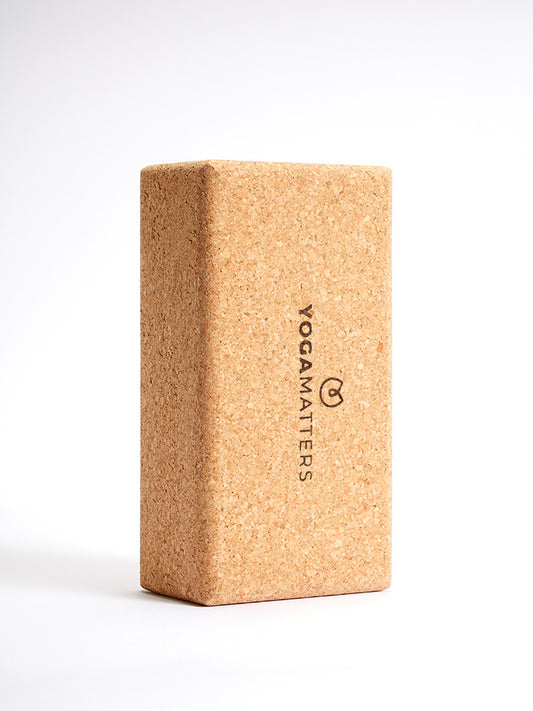
Props: Yoga Mat, Yoga Brick
Revolved Side Angle Pose (Parivrtta Parsvakonasana) is a standing twist that combines strength, balance and mobility through the spine and hips. Practised from a lunge by rotating the torso towards the front leg, the pose strengthens the legs and core while encouraging rotation through the upper body. A yoga brick can be used to raise the floor and provide additional support, helping you maintain balance and create more space for the twist.
- Begin in a lunge with your right foot forward and left leg extended back, heel lifted
- Bring your palms together at your heart
- Inhale to lengthen your spine, and as you exhale, twist to the right, hooking your left elbow outside your right thigh
- Press hands firmly together to deepen the twist
- Keep your back leg strong and the crown of your head reaching forward
- Gaze can be to the side, down, or up — whichever supports balance
- Hold for 30 seconds to 1 minute, then repeat on the other side
- Strengthens legs, glutes, and core
- Improves balance and spinal mobility
- Stimulates digestion and detoxification
- Builds mental focus and stamina

- Lower the back knee to the floor for added stability
- Keep hands in prayer pose
- Use a block under the lower hand if not clasping hands at heart
- Keep the front hand on the floor or on a block instead of twisting deeply
- Practise near a wall to help with balance
Props to Support Revolved Side Angle Pose (Parivrtta Parsvakonasana)
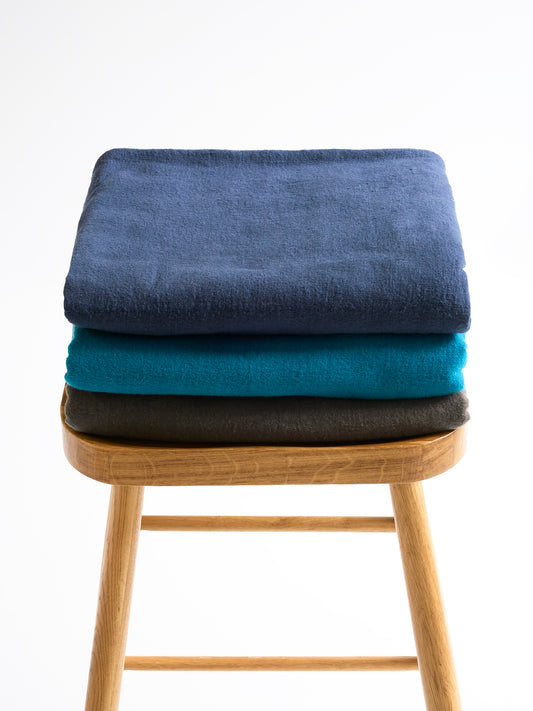
Props can make Revolved Side Angle Pose more accessible while supporting balance and alignment. Place a yoga brick beneath the lower hand to raise the floor, reducing the depth needed to reach down and helping you maintain length through the spine as you rotate. The back knee can also be lowered onto a folded blanket for additional cushioning and stability while exploring the twist.