Home Pose Library Upward-Facing Dog (Urdhva Mukha ...
    Person practising Upward-Facing Dog (Urdhva Mukha Svanasana), pressing through the hands with the arms straight, chest lifted and legs extended behind with the thighs raised from the mat.
    Teacher: Anna Ashby
    pose-library

    Upward-Facing Dog (Urdhva Mukha Svanasana)

    Upward-Facing Dog is often used in vinyasa flows to build heat and improve spinal flexibility, encouraging vitality and improved posture.

    Category: Backbend

    Difficulty: Intermediate

    Sanskrit/Pronunciation: Urdhva Mukha Svanasana (OORD-vah MOO-kah shvah-NAHS-uh-nuh)

    Main Focus: Chest, Shoulders, Spine, Arms, Core

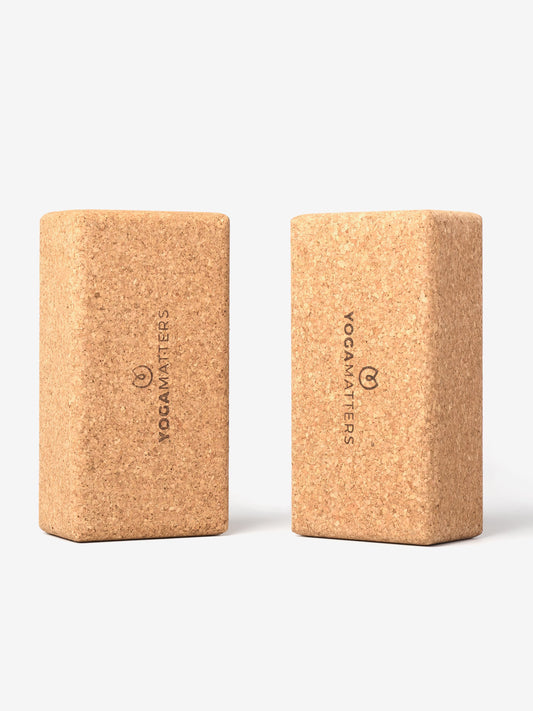
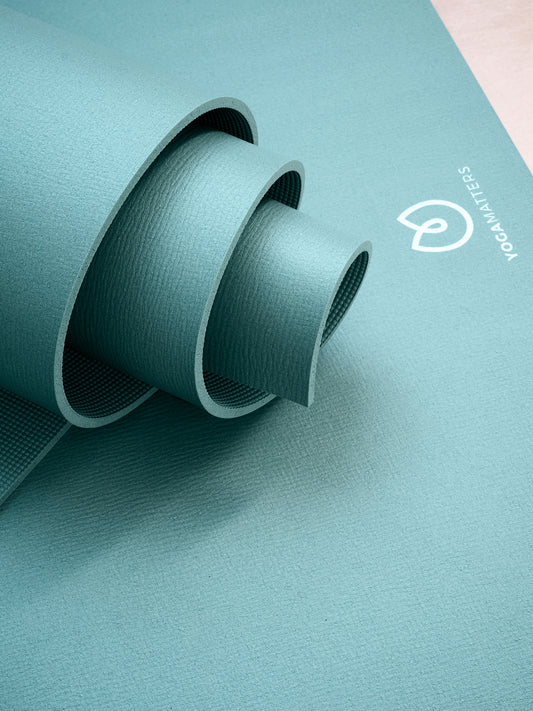
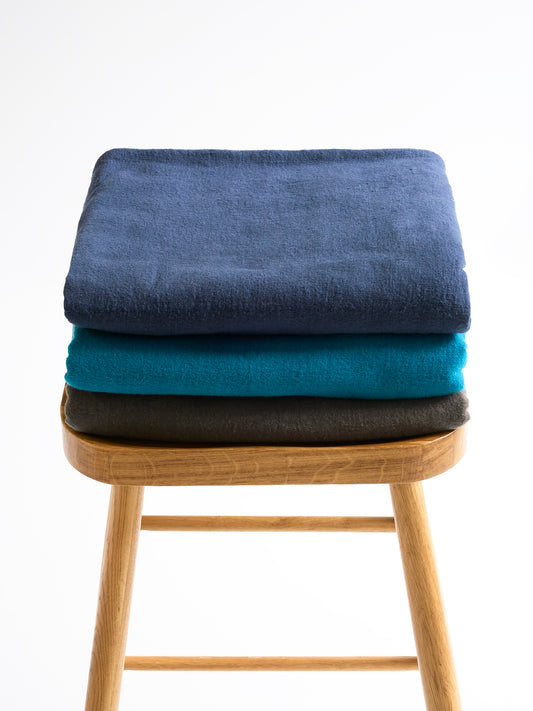
    Props: Yoga Mat, Yoga Bricks, Blanket

    Upward-Facing Dog (Urdhva Mukha Svanasana) is an energising backbend that strengthens the arms and upper body while opening the chest, shoulders and front body. Practised by pressing firmly through the hands to lift the chest and thighs away from the floor, the pose encourages extension through the spine and engagement through the legs. Props can help create additional space and support as you develop strength and mobility in the pose.

    How to Practise
    1. Lie face down with legs extended and tops of feet pressing into the mat
    2. Place your hands under your shoulders, fingers spread wide
    3. Press firmly into your hands and lift your chest and thighs off the floor, straightening your arms
    4. Keep your shoulders away from your ears and open your chest forward
    5. Engage your legs and lift through the tops of your feet
    6. Hold for 15–30 seconds, breathing smoothly
    7. To release, lower down slowly with control
    Benefits
    • Strengthens the arms, wrists, and spine
    • Opens the chest and shoulders
    • Improves posture and spinal flexibility
    • Stimulates digestion and energises the body
    Modifications
    • If wrists are sensitive, come onto forearms for a gentler backbend
    • Keep elbows slightly bent if straightening arms is too intense
    • Use a blanket under the thighs for added cushioning
    • Avoid if you have wrist, shoulder, or lower back injuries