Seated Wide-Legged Forward Fold (Upavistha Konasana)
Category: Seated / Forward Fold
Difficulty: Beginner
Sanskrit/Pronunciation: Upavistha Konasana (oo-pah-VEESH-tah koh-NAH-suh-nuh)
Main Focus: Hamstrings, Inner Thighs, Hips, Spine
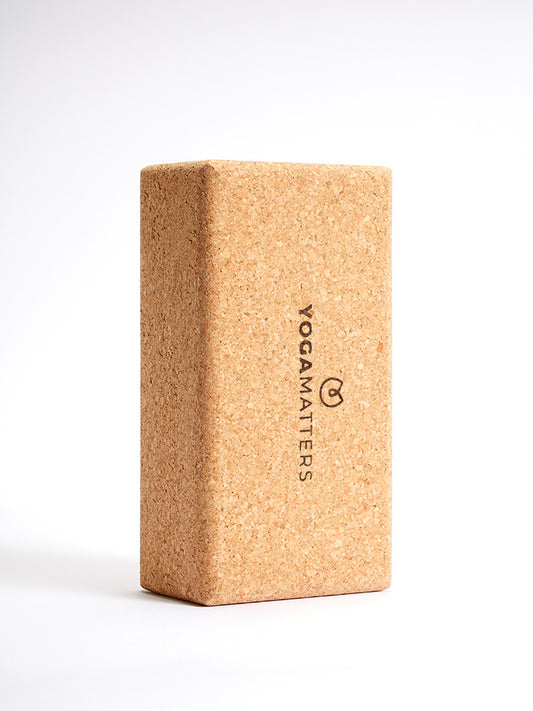
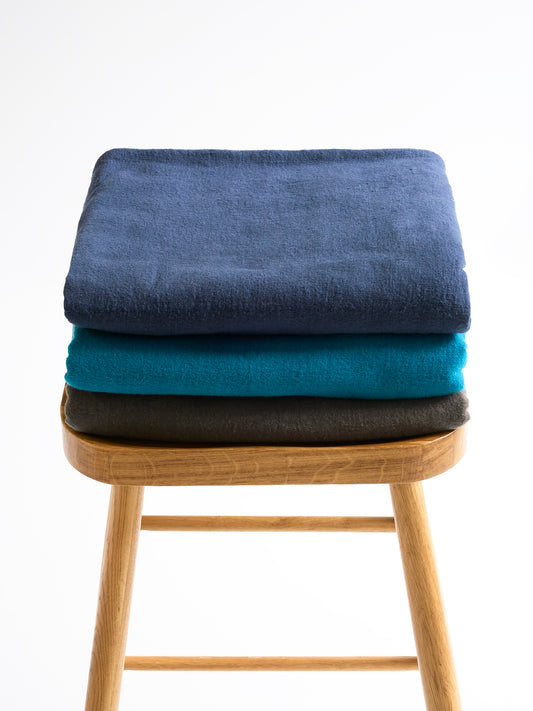
Props: Yoga Bricks, Yoga Blocks, Yoga Bolster, Yoga Blanket
Seated Wide-Legged Forward Fold (Upavistha Konasana) is a grounding seated pose that gently stretches the inner thighs, hamstrings and hips while encouraging length through the spine. The wide-legged position creates space through the lower body, while the forward fold can be adapted with props to make the pose more comfortable and accessible.
- Begin seated on your mat with both legs extended out wide, keeping the kneecaps pointing upwards.
- Sit tall through the spine and ground evenly through both sitting bones.
- Flex your feet and gently engage the legs, pressing out through the heels.
- Place your hands on the floor in front of you and take a breath in to lengthen through the spine.
- As you exhale, hinge forwards from the hips, walking your hands away from you while keeping the spine long.
- Continue folding only as far as feels comfortable, avoiding rounding or forcing the lower back.
- Allow your hands, forearms or upper body to rest on the mat or a supportive prop if needed.
- Hold for several steady breaths, relaxing into the pose while maintaining gentle engagement through the legs.
- To come out, slowly walk your hands back towards you and lift your torso upright with a long spine.
- Stretches the hamstrings and inner thighs.
- Opens the hips and groin.
- Encourages mobility through the hips.
- Lengthens the spine and back body.
- Gently stretches the lower back.
- Can help promote a sense of calm and relaxation.
- Sit on a folded yoga blanket to help lift the hips and make it easier to maintain a long spine.
- Place yoga bricks or blocks under the legs for extra support and to reduce the intensity of the stretch.
- Rest the upper body on a yoga bolster for a more supported and restorative variation.
- Keep a gentle bend in the knees if the hamstrings or inner thighs feel tight.
- Stay upright with the hands behind you rather than folding forwards if you need to reduce the intensity.

This modification of seated forward fold uses a range of props to provide support, comfort and stability. Folded blankets under the knees provide gentle cushioning and support, reducing pressure on the backs of the legs and hamstrings and allowing the legs to relax fully. A folded blanket beneath the sitting bones slightly elevates the pelvis, making the forward fold more accessible. Two bolsters are positioned to add height, creating a raised and supportive surface for the upper body to rest on. A block placed between the bolsters helps to stabilise them and prevents them from moving apart. A brick is positioned on top of the bolsters to support the head, with a folded blanket placed over it to soften and cushion the support. A weighted eye pillow at the back of the neck provides gentle pressure and encourages relaxation. Together, these props create a stable, comfortable and restorative variation of the forward fold, allowing the practitioner to relax into the pose without forcing the stretch.
Props to Support Seated Wide-Legged Forward Fold (Upavistha Konasana)
Props can be used to adapt wide-legged forward fold to suit different bodies and levels of flexibility. They provide support, stability, cushioning and height, helping to reduce strain and create a more comfortable position. By bringing the support closer to the body, props allow the practitioner to relax into the posture rather than forcing the depth of the fold, making the pose more accessible and restorative.