Pigeon Pose (Kapotasana)
Teacher featured in image: Vicky Fox
Category: Hip Opener
Difficulty: Intermediate
Sanskrit/Pronunciation: Kapotasana (kah-poh-TAHS-uh-nuh)
Main Focus: Hips, Glutes, Flexibility
Props: Yoga Bolster, Yoga Bricks, Yoga Block, Blanket
Pigeon Pose (Kapotasana) is a deep hip-opening yoga pose that encourages flexibility through the hips, glutes and front of the body. Practised with one leg bent in front and the opposite leg extending behind, the pose creates a strong stretch through the outer hip while encouraging length through the spine. Pigeon Pose can be practised upright or with the upper body folding forward for a deeper release. Props such as a folded blanket or yoga block can support the hip of the bent leg, while a bolster or yoga bricks beneath the hands or elbows can raise the floor and help create a more comfortable, supported position.
- Begin in Downward-Facing Dog
- Bring right knee forward, placing it behind the right wrist
- Slide right foot across the mat, aiming to bring shin towards the front (angle depends on hip mobility)
- Extend left leg straight back, top of foot resting on the floor
- Keep hips square, use a block or blanket under the right hip if needed
- If comfortatble, inhale to lengthen spine, exhale to fold forward over the front leg, resting on a prop, the forearms or forehead
- Stay for 1–3 minutes, breathing into the stretch, then switch sides
- Deeply stretches hips, glutes, and hip flexors
- Releases tension in the lower back and sacrum
- Can ease sciatica and support emotional release
- Encourages focus and breath awareness
- Use a bolster or folded blanket under the front thigh/hip for support
- Keep torso upright if folding forward is too intense
- Practise Reclined Pigeon (on your back) for a gentler option

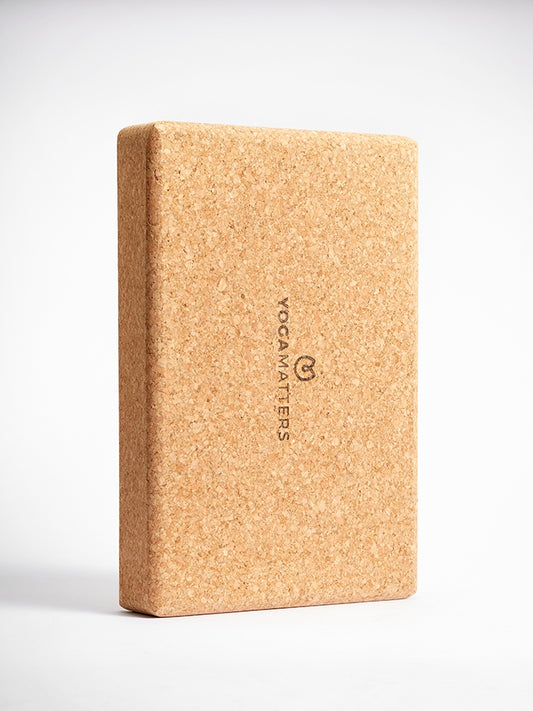
Placing a yoga brick beneath the forehead provides support as the upper body folds forward in Pigeon Pose, effectively raising the floor and reducing the depth of the fold. Allow the forehead to rest gently on the brick, helping to release tension through the neck and shoulders while encouraging the body to soften into the pose.
.png?v=1780562477298)
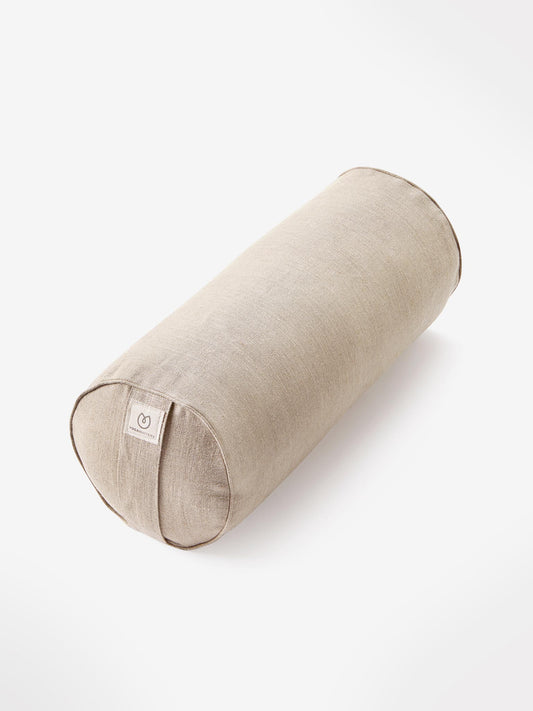
Placing a bolster in front of you in Pigeon Pose and resting your hands or forearms on it creates a more supported and restorative variation. The bolster helps bring the floor closer, reducing the intensity of the hip stretch and easing tension through the lower back. This added support encourages the chest and shoulders to relax, allowing you to settle into the pose more comfortably while still experiencing a gentle opening through the hips and glutes.

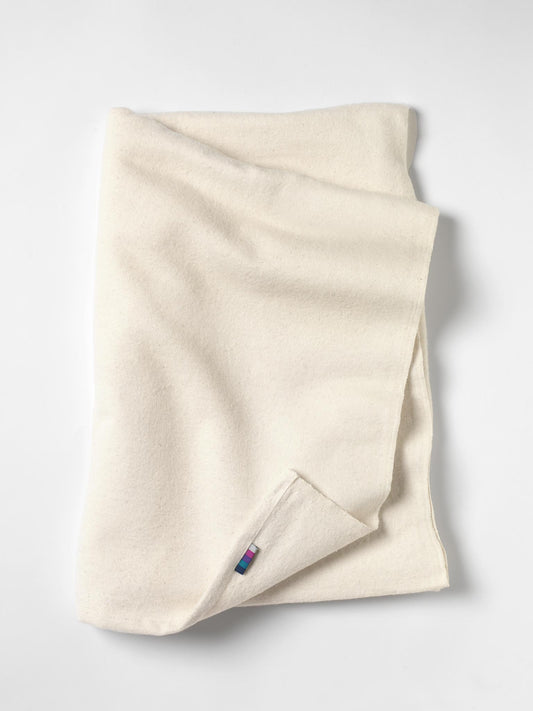
A deeply grounding hip opener, Swan Pose is the yin counterpart to Pigeon. Practised with relaxed muscles and long holds, it gently targets the fascia and connective tissue in the hips, glutes and lower back — less about stretching, more about softening and releasing. A folded blanket or yoga block can be placed beneath the hip of the bent leg to provide support, helping the pelvis feel more stable and allowing the body to relax more comfortably into the pose.
Props to Support Pigeon Pose (Kapotasana)
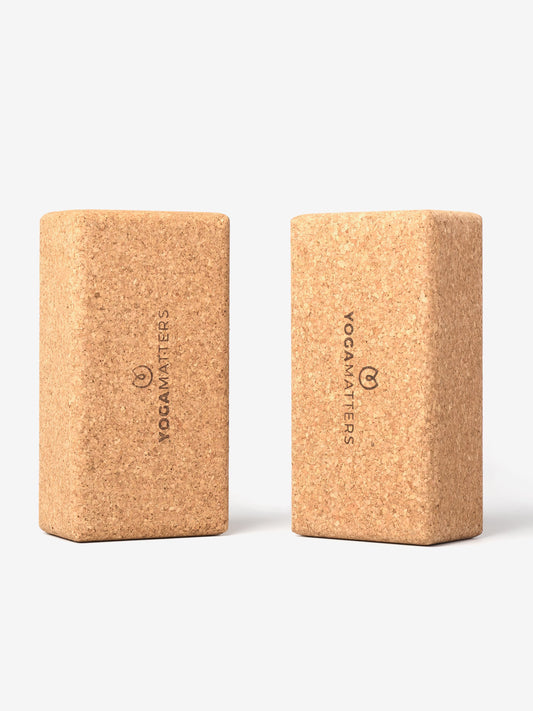
Props can help create more support and stability in Pigeon Pose, allowing the body to settle into the pose with greater ease. A folded blanket or yoga block can be placed beneath the hip of the bent leg to support the pelvis, while a bolster can raise the floor for the hands or elbows. Alternatively, a pair of yoga bricks can be placed beneath the elbows, reducing the depth of the forward fold and helping maintain a more supported position.