Forearm Plank
Category: Strengthening / Core
Difficulty: Intermediate
Main Focus: Core, Shoulders, Arms, Back, Glutes
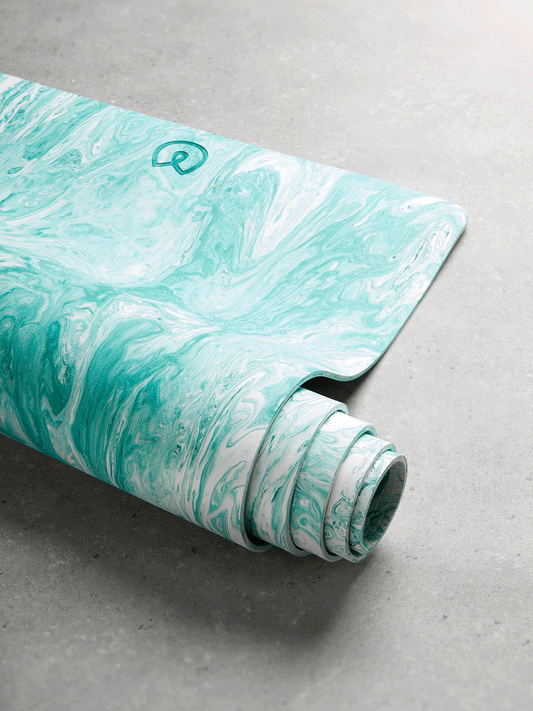
Props: Yoga Mat, Yoga Brick, Blanket
Forearm Plank is a strengthening pose that builds stability through the core, shoulders, arms and back while encouraging full-body engagement. Practised with the forearms grounded and the body extending in a straight line from head to heels, the pose challenges strength and endurance without placing as much weight through the wrists as a traditional Plank. Props and modifications can help provide additional comfort and support as strength develops.
- Start on your hands and knees
- Lower your forearms to the floor, elbows aligned under shoulders, forearms parallel
- Step your feet back, extending legs straight and lifting hips to form a straight line from head to heels
- Engage your core, draw your belly button towards your spine
- Keep neck neutral by gazing down at the floor
- Hold for 20–60 seconds, maintaining steady breath
- To release, lower knees gently to the floor
- Strengthens core, shoulders, and legs
- Improves posture and balance
- Enhances endurance and muscular control
- Prepares the body for advanced arm balances and inversions
- Drop knees to the floor to reduce intensity
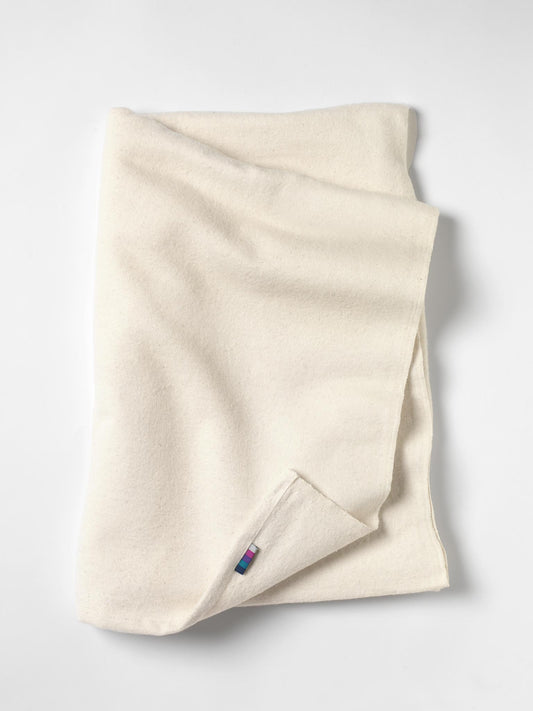
- Use a folded blanket under forearms for cushioning
- Keep hips slightly higher if hamstrings are tight
- Avoid locking elbows or sagging hips to protect joints
.png?v=1779372400184)
Dropping the knees to a blanket in Forearm Plank reduces load on the core while still building strength and stability. The added cushioning protects the kneecaps and makes the pose more comfortable to hold, allowing you to focus on engaging the abdominal muscles, keeping the spine long, and maintaining steady alignment without excessive strain.
Props to Support Forearm Plank
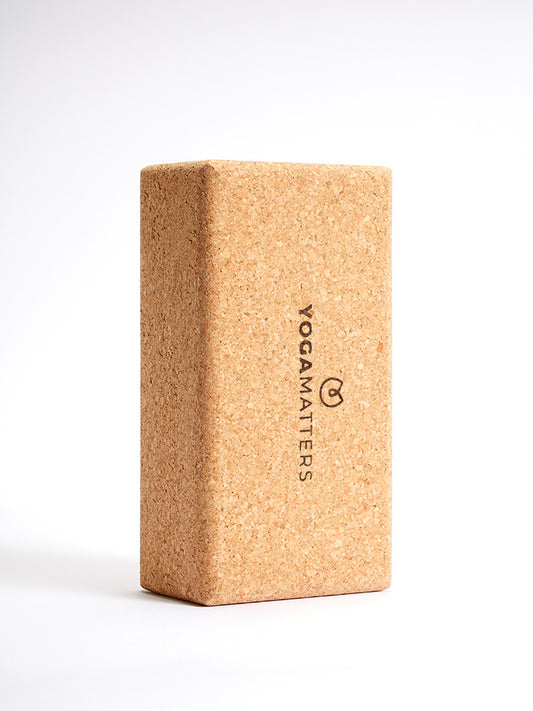
Props can provide additional comfort and support while building strength in Forearm Plank. Practise on a cushioned yoga mat to provide padding beneath the forearms and elbows, or place a folded blanket beneath the forearms for extra cushioning. A yoga brick can also be placed between the hands to help maintain alignment and create a stable foundation through the forearms and shoulders.