Home Pose Library Eagle Pose (Garudasana)
    Person practising Eagle Pose (Garudasana), balancing on one leg with the opposite leg wrapped around it and the arms intertwined in front of the body.
    Teacher: Tawny Cortes
    pose-library

    Eagle Pose (Garudasana)

    Eagle Pose challenges both concentration and coordination, helping to improve balance while giving the shoulders and hips a deep stretch.

    Category: Standing / Balance

    Difficulty: Intermediate

    Sanskrit/Pronunciation: Garudasana (gah-roo-DAHS-uh-nuh)

    Main Focus: Balance, Legs, Hips, Shoulders, Upper Back

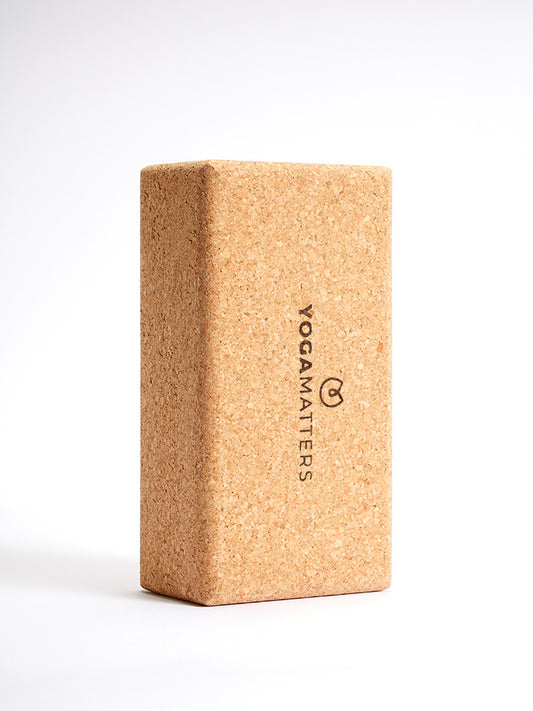
    Props: Yoga Mat, Yoga Block, Yoga Belt

    Eagle Pose (Garudasana) is a standing balance that combines strength, stability and focus while stretching the hips, shoulders and upper back. Practised by wrapping one leg around the other and intertwining the arms in front of the body, the pose challenges balance and coordination while creating space across the back of the shoulders. Props can provide additional support, making the leg and arm positions more accessible as you develop stability and mobility.

    How to Practise
    1. Begin standing in Mountain Pose
    2. Slightly bend knees and shift weight into the left foot
    3. Cross right thigh over left, aiming to hook the right foot behind the left calf (or rest toes on the floor)
    4. Bring arms forward, cross right arm under left at the elbows
    5. Bend elbows and wrap forearms, bringing palms to touch (or back of hands)
    6. Lift elbows to shoulder height, fingertips reaching upward
    7. Sit deeper into the standing leg, keeping spine tall
    8. Gaze softly at a fixed point and hold for 20–30 seconds, then switch sides
    Benefits
    • Improves balance, coordination, and focus
    • Stretches shoulders, upper back, hips, and thighs
    • Strengthens legs, ankles, and core
    • Encourages mental stillness and centredness
    Modifications
    • Rest toes of top foot on the floor or a block for support
    • If arms don’t wrap fully, bring hands to opposite shoulders instead
    • Practise near a wall or chair for balance assistance