Four-Limbed Staff Pose (Chaturanga Dandasana)
Category: Strengthening / Arm Balance
Difficulty: Intermediate
Sanskrit/Pronunciation: Chaturanga Dandasana (chah-toor-AHN-gah dahn-DAH-suh-nuh)
Main Focus: Arms, Shoulders, Chest, Core
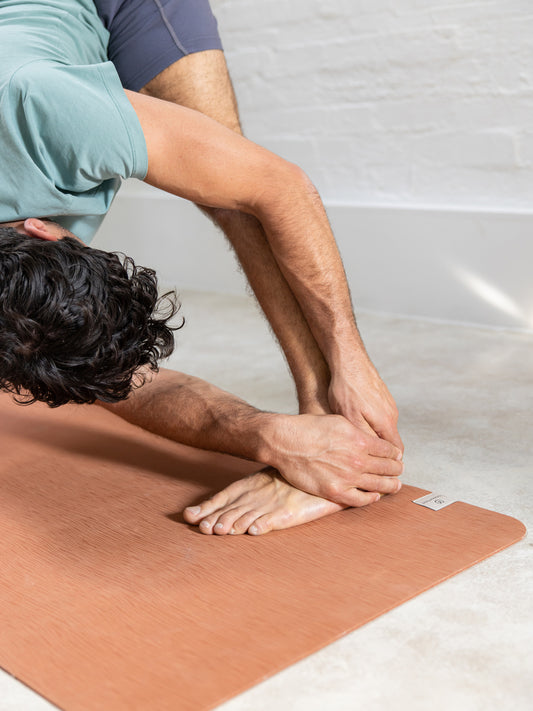
Props: Yoga Bricks, Yoga Strap, Good Grip Yoga Mat
Chaturanga (Chaturanga Dandasana), also known as Four-Limbed Staff Pose, is a strengthening yoga pose that builds stability through the arms, shoulders, chest and core. Often practised as part of a Sun Salutation or vinyasa sequence, the pose involves lowering the body from Plank Pose while keeping the elbows close to the ribs and the body in one strong line. Good alignment and control are important in Chaturanga, and modifications can help develop the strength needed to practise the full pose safely and steadily.
- Start in Plank Pose: Begin in a strong Plank Pose with your shoulders over your wrists and your body in one long line from your head to your heels.
- Ground through your hands: Spread your fingers wide and press firmly through your palms and fingertips to create a stable foundation.
- Engage your body: Draw your belly gently in and keep your legs active, reaching back through your heels and forwards through the crown of your head.
- Shift forwards: Move your body slightly forwards so your shoulders come just beyond your wrists, keeping your core engaged.
- Bend your elbows: Begin to bend your elbows straight back, keeping them close to the sides of your ribs rather than allowing them to move outwards.
- Lower with control: Slowly lower your body towards the mat, keeping your chest, hips and legs moving together as one strong line.
- Find your depth: Lower until your upper arms are approximately parallel to the floor, keeping your shoulders level with or slightly higher than your elbows.
- Stay strong through your centre: Keep your core and legs active to prevent your hips from dropping and maintain length through your whole body.
- Transition or release: Hold briefly before moving into Upward-Facing Dog or Cobra Pose, or gently lower your body all the way to the mat.
- Strengthens the arms and shoulders
- Builds core strength
- Strengthens the chest and wrists
- Improves shoulder stability
- Develops body awareness and control
- Builds strength for arm balances.
- Knees Down: Lower your knees to the mat to reduce the weight through your upper body.
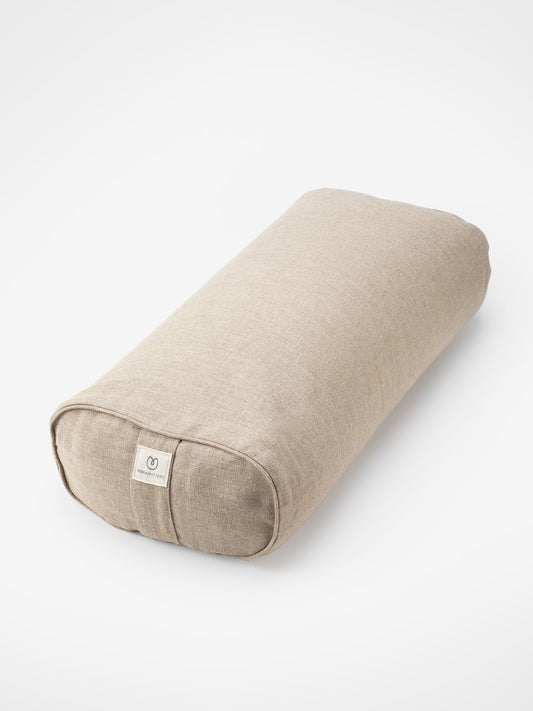
- Use a Bolster: Place a rectangular bolster beneath your torso for support as you lower.
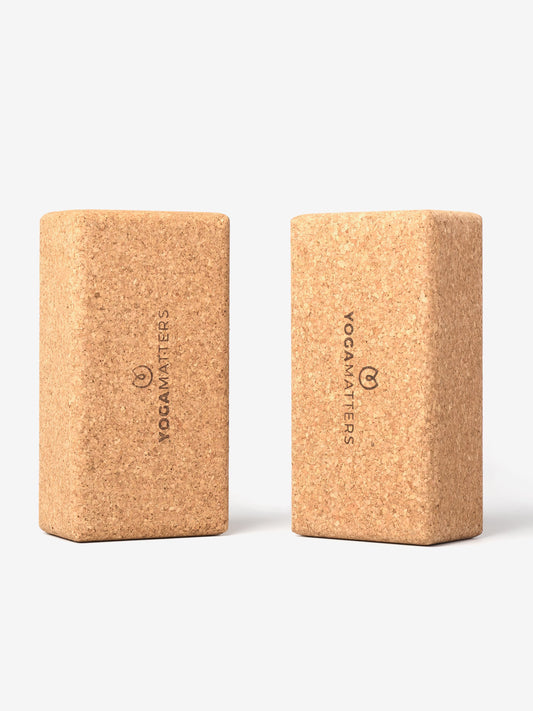
- Use Yoga Bricks: Place yoga bricks beneath your shoulders to guide the depth of the pose.
- Use a Yoga Strap: Loop a yoga strap around your upper arms to support alignment and keep the elbows close to the body.

Lower your knees to the mat before bending your elbows to reduce the amount of weight through the upper body. Keep your core engaged and elbows close to your ribs as you lower, helping to build strength and control while maintaining good alignment.

Place a rectangular bolster lengthways beneath your torso to provide support as you lower into Chaturanga. The bolster helps reduce the amount of body weight supported by the arms and shoulders, making it easier to explore the alignment of the pose while gradually building strength and control.
Props to Support Four-Limbed Staff Pose (Chaturanga Dandasana)
Props can make Chaturanga Dandasana feel more accessible while helping you maintain alignment and control. Place a rectangular bolster lengthways beneath the front body to provide gentle support as you lower, reducing the amount of body weight you need to hold. Yoga bricks can also be used beneath the hands or shoulders to help you explore the shape with greater stability and awareness.